
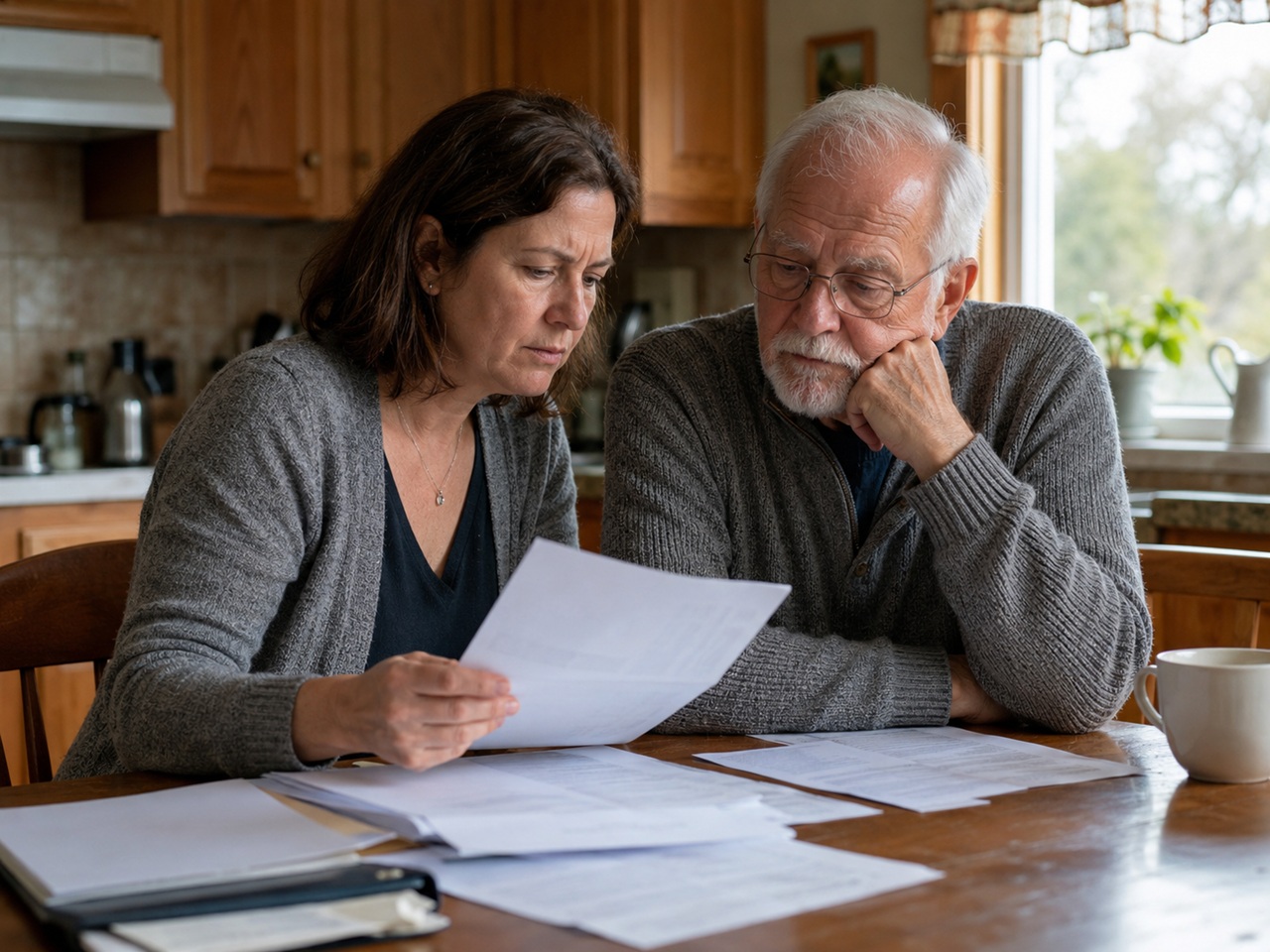
What Families Should Know About Protecting Seniors From Financial Harm — and When It Rises to a Legal Issue
World Elder Abuse Awareness Day is observed annually on June 15 to draw attention to the challenges older adults face and the importance of protecting them. The financial services industry has taken notice. Charles Schwab recently circulated guidance to clients acknowledging that financial exploitation of seniors is a serious and growing problem, and offering practical steps both families and older adults themselves can take to reduce vulnerability. It's a meaningful acknowledgment from an institution that manages trillions in assets on behalf of older Americans.
But financial exploitation doesn't exist in a vacuum, and for families navigating the reality of an older loved one in a nursing home or assisted living facility, the warning signs Schwab describes can look very different from what they do in an investment context. At Johnson Greer Law Group, attorneys George Johnson and Chad Greer represent Georgia families whose loved ones have been harmed by elder abuse and neglect in nursing homes and assisted living facilities, including situations where financial exploitation was part of a broader pattern of mistreatment.
Financial Exploitation Is a Recognized Form of Elder Abuse
Elder abuse takes several forms, and not all of them leave visible marks. Georgia's elder abuse laws recognize financial exploitation as a distinct category of harm, and it is among the most difficult to detect precisely because it doesn't produce the physical warning signs families are taught to watch for.
Financial exploitation of an older adult in a care setting can include unauthorized use of a resident's funds or assets, coercion or undue influence over financial decisions, theft by facility staff, and manipulation of residents into changing wills, beneficiary designations, or powers of attorney. It can also include situations in which a facility systematically overbills for services not rendered, which constitutes a form of financial harm to the resident and their family, even if the resident isn't personally aware of it.
The warning signs of nursing home abuse and neglect that families should monitor include not just physical deterioration but also unexplained financial changes: a resident who mentions giving money to a staff member, missing personal items, sudden changes in estate documents, or a family member who notices that an account has been accessed without clear authorization.
What Schwab's Guidance Gets Right — and What It Doesn't Cover
The guidance Schwab circulated makes several practical recommendations worth noting. It encourages families to maintain open dialogue with older relatives about their finances, watch for signs such as unusual account changes or unexplained withdrawals, and report any suspicions to adult protective services, law enforcement, and financial institutions. It also encourages older adults to plan ahead by keeping important financial and legal documents organized, adding trusted contacts to accounts, and avoiding granting remote device access to anyone who contacts them unexpectedly.
These are sound steps for managing investment accounts. But families whose loved ones are in nursing homes or assisted living facilities face a different and often more complicated situation. A resident who is cognitively impaired, physically dependent on staff, or socially isolated has a fundamentally different vulnerability profile than someone managing their own finances independently at home. The power dynamics inside a care facility can make the warning signs Schwab describes harder to observe, and the corrective steps harder to take.
The Connection Between Financial Exploitation and Other Forms of Abuse
Financial exploitation of nursing home residents frequently coexists with physical neglect or emotional abuse. A staff member who steals from a resident is almost never providing excellent care in other respects. A facility that tolerates financial misconduct by employees tends to have broader cultural and supervision failures that put residents at risk across multiple dimensions.
Understaffing creates conditions where individual staff members have unsupervised access to residents and their personal belongings. Poor hiring practices and inadequate background checks increase the likelihood that facility employees with histories of financial misconduct end up working with vulnerable people. Weak administrative oversight means that patterns of exploitation, however subtle, go undetected and uncorrected.
For families, this means that a suspicion of financial exploitation is a reason to look more broadly at the quality of care a loved one is receiving across all dimensions, not just the financial ones.
Reporting and Legal Options in Georgia
Georgia law requires certain individuals, including nursing home staff, to report known or suspected elder abuse to the appropriate authorities. Reporting elder abuse in Georgia can be done through the Georgia Division of Aging Services' Adult Protective Services program, which investigates allegations of abuse, neglect, and exploitation of adults aged 65 and older.
Filing a report is an important step, but it is separate from the legal remedies available to families harmed. The Georgia Nursing Home Care Reform Act imposes specific obligations on facilities to protect residents from abuse in all its forms, and violations of those obligations can give rise to civil claims for damages. Financial harm to a resident, when caused by a facility's negligence in supervision, hiring, or oversight, can support a claim under Georgia law just as physical harm can.
The Georgia lawsuit process for nursing home abuse claims has specific procedural requirements and statutes of limitations, making early consultation with an attorney important. Evidence of financial exploitation, like evidence of physical abuse, can disappear or become harder to access as time passes.
Steps Families Can Take Now
Preventing elder abuse requires active involvement, and the steps that matter most in a facility setting are somewhat different from those in the Schwab guidance. Some of the most practical include:
- Reviewing Financial Statements Regularly: If you have access to a loved one's financial accounts, review them with the same attention you'd give a minor child's allowance. Look for small, recurring withdrawals that don't correspond to known expenses, charges from unknown payees, or evidence that the resident's personal funds are being accessed by someone other than family.
- Monitoring Personal Belongings: Residents in care facilities often have personal items of monetary or sentimental value. Cash, jewelry, and personal electronics are the most common targets. Document what your loved one keeps at the facility, and check periodically to ensure those items are still present.
- Building a Relationship With Multiple Staff Members: When a family knows only one or two staff members by name, it's easier for a bad actor to control what the family knows about the resident's day-to-day life. Broad familiarity with staff across shifts makes it harder for exploitation to go unnoticed.
- Keeping Estate Documents Current and Secure: Powers of attorney, beneficiary designations, and will documents should reflect your loved one's actual wishes and be reviewed periodically. Any unexpected changes to these documents, especially after a period of reduced family contact, deserve scrutiny.
- Knowing How to File a Complaint: Families who suspect exploitation have the right to report it directly to Georgia's adult protective services system and to the facility's administrator. They also have the right to contact an attorney to understand their legal options without any obligation to proceed.
Concerned About a Loved One in a Georgia Care Facility? Put Your Case In Experienced Hands.
If you believe financial exploitation or any other form of abuse or neglect is occurring, Johnson Greer Law Group wants to hear from you. Our nursing home abuse and neglect lawyers serve families throughout Atlanta, Decatur, and across Georgia. We handle every case on a contingency fee basis, meaning there are no upfront costs and you owe us nothing unless we recover compensation for your family. Contact us today for a free case evaluation.
"I first met Mr. Johnson during one of the most challenging times of my life, the passing of my father. From our first meeting, Mr. Johnson's professionalism, integrity, honesty, and compassion were evident. Months later, as the case reached its conclusion, I knew without a doubt that I had chosen the right legal team. I am truly grateful for the dedication and expertise of Johnson Greer Law Group." — Anthony E.H., ⭐⭐⭐⭐⭐