
A Short Visit Can Reveal a Lot About a Loved One's Care, and Georgia Families Have Places to Turn
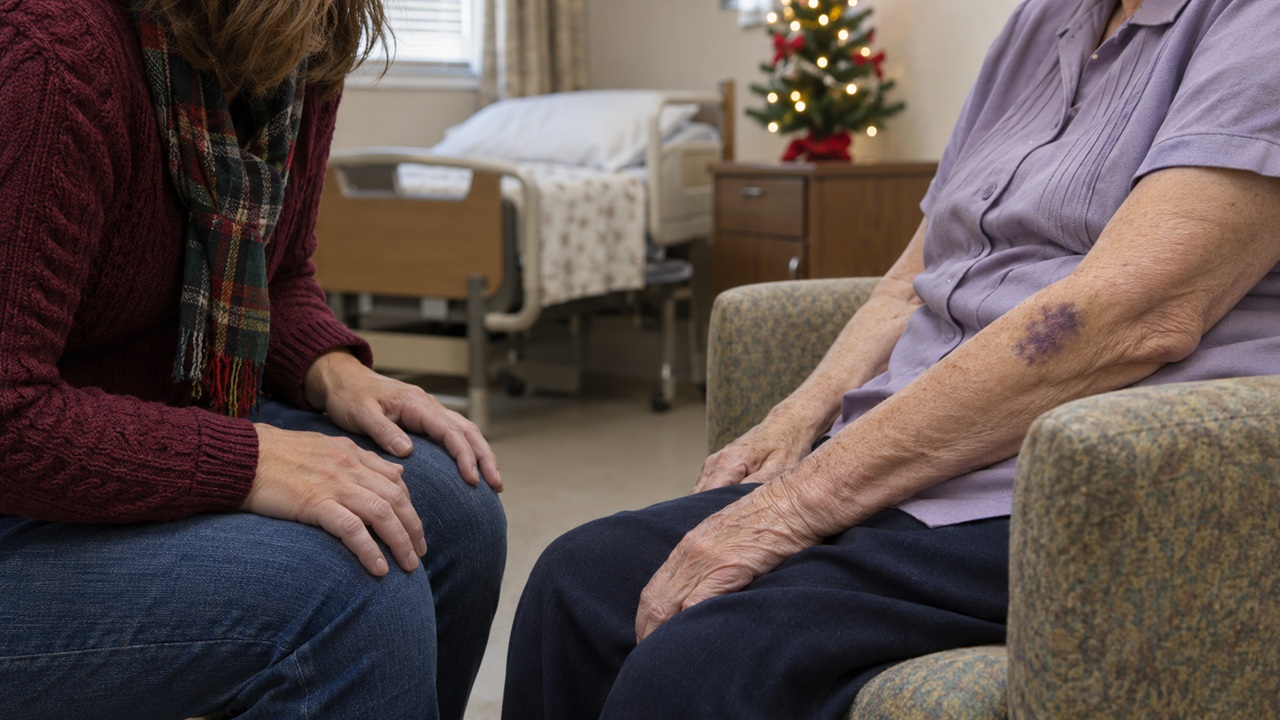
Holiday visits to Georgia nursing homes and assisted living communities give families a close look at a loved one's care. For many relatives, it's the first in-person visit in months. Some changes are easy to miss over the phone. Weight loss, a new bruise, or a quieter mood can stand out right away when everyone gathers for a meal.
The holidays can also strain a facility. Staff take time off and shifts go short. The residents who need the most help may get the least attention. A holiday visit is a chance to celebrate together. It's also a chance to look closely at how a loved one is really doing.
If something seems wrong, acting quickly matters. Facilities often start their own internal review as soon as a family raises concerns. A Georgia nursing home abuse lawyer can help protect the evidence. That lawyer can also make sure the family's concerns are taken seriously from the start.
|
What to Check During a Holiday Visit
|
Physical Warning Signs to Watch For
Physical changes are often the clearest warning signs of neglect. Many of them show up gradually. A visit after a long gap can make them easier to spot, since the change looks sudden to a fresh eye.
- Unexplained Weight Loss – Clothes that suddenly fit loosely or a thinner face can point to malnutrition and dehydration.
- Skin Sores – Red or open areas on the hips, heels, back, or tailbone may be bedsores, which often form when residents aren't turned often enough.
- Bruises or Injuries – Marks without a clear explanation, or explanations that keep changing, deserve follow-up questions.
- Poor Hygiene – Unwashed hair, soiled clothing, dirty nails, or a strong odor can signal that basic care is being skipped.
- Changes in Mobility – A loved one who suddenly can't walk, stand, or move as well may have suffered an unreported fall.
Families who notice any of these signs should take dated photos and write down what they see. Those notes can become important evidence later. A lawyer can compare them to the facility's own records. Those records sometimes tell a very different story about the care a resident received.
Emotional and Behavioral Changes
Neglect and abuse don't always leave visible marks. A loved one who used to enjoy holiday gatherings may now seem withdrawn, anxious, or unusually quiet. Some residents become tense when certain staff members enter the room. Others hesitate to speak freely while staff are nearby.
Sudden confusion is another sign worth taking seriously. It can point to an infection, dehydration, or a medication problem that hasn't been caught. Comparing a loved one's behavior now with the last visit can help. It may reveal changes that staff missed or downplayed.
Finding a private moment to talk can make a big difference. Open-ended questions, like asking how meals and nights have been, give a resident room to share concerns. Some loved ones can't explain what's wrong. Even then, a family's instinct that something has changed is worth following up.
What the Room and Staff Can Tell You
The environment around a resident often says a lot about the care inside. Strong odors, overflowing trash, stained bedding, or a water pitcher left out of reach can point to deeper problems. Call lights that go unanswered for long stretches are another warning sign.
How staff respond to questions matters, too. Families have a right to ask about a loved one's care plan, medications, and recent changes in condition. Staff who seem rushed, dodge questions, or give vague answers may be stretched too thin. Understaffing is one of the most common root causes of neglect.
Holiday visits are a good time to notice how many staff members are actually on duty. Some residents are left in the same position for hours or wait a long time for help getting to the bathroom. They may not be getting the care their families are paying for. Those observations are worth writing down.
Nursing Homes and Assisted Living Aren't Regulated the Same Way
Georgia licenses nursing homes, assisted living communities, and personal care homes separately. All three fall under the Department of Community Health's (DCH) Healthcare Facility Regulation Division, but each follows different rules. Nursing homes provide round-the-clock medical care. By contrast, assisted living communities generally offer help with daily activities and some medical support.
The type of license matters more than the name on the sign. Georgia rules don't allow a personal care home to call itself "assisted living" without the matching license. Families should confirm what kind of license a facility actually holds. That license affects the level of care it must provide.
The type of facility also affects where to find inspection records. It shapes which standards apply if something goes wrong. A loved one in assisted living has rights just as a nursing home resident does. Knowing which rules apply helps families ask the right questions and helps a lawyer build the right case.
How to Check a Facility's Inspection History
Families don't have to rely only on what they see during a visit. Public inspection records can reveal whether a facility has a history of problems. Two tools are especially useful for Georgia families, and each covers different types of facilities.
| Tool | What It Covers | What to Look For |
|---|---|---|
| Medicare's Care Compare | Medicare- and Medicaid-certified nursing homes | Star ratings, inspection results, staffing levels, penalties, and the abuse icon |
| Georgia's GaMap2Care | Nursing homes, assisted living communities, and personal care homes | License status, state inspection reports, and cited violations |
Medicare's Care Compare rates nursing homes from one to five stars. It also shows a red circle with a white hand on facilities cited for abuse. A nursing home with that icon can still carry an overall rating as high as four stars. Families shouldn't rely on the star rating alone.
Care Compare doesn't cover assisted living communities or personal care homes. For those, the Georgia DCH offers GaMap2Care, which includes facility listings, state inspection reports, and license verification. A pattern of similar violations is a red flag worth discussing with a lawyer. Repeated citations for falls, bedsores, or staffing deserve special attention.
Who to Contact in Georgia if Something Looks Wrong
If a loved one is in immediate danger, call 911. For concerns that aren't emergencies, Georgia has several places families can turn. Each plays a different role, and reporting to more than one is often the best approach. Keep a record of every call and complaint number.
- Georgia Long-Term Care Ombudsman Program – Ombudsmen advocate for residents of nursing homes, assisted living communities, and personal care homes. Reach them at 1-866-552-4464, option 5.
- DCH Healthcare Facility Regulation Division – The state agency that licenses and inspects facilities takes complaints toll free at 1-800-878-6442 and online.
- Law Enforcement – Suspected physical or sexual abuse, or theft from a resident, may also need to be reported to local police.
Filing a report helps protect a loved one and can trigger a state investigation. It doesn't, however, recover compensation for the harm a resident has suffered. Understanding how reporting elder abuse in Georgia works is a good first step. Talking with a lawyer protects the family's legal rights at the same time.
Why Families Shouldn't Wait to Act
Georgia generally allows two years to file most nursing home abuse and neglect claims. That may seem like plenty of time, but evidence can disappear long before the deadline. Care records get updated, staffing logs get archived, and video footage can be recorded over.
Facilities often begin investigating as soon as a family raises a concern. Their goal is usually to protect themselves, not the resident. The next visit after the holidays may be weeks away. Waiting that long gives a facility time to build its side of the story.
Acting early helps protect both the resident and the case. A lawyer can request records, send preservation letters, and work with medical professionals to understand what went wrong. That gives the family a clear picture of their options while the evidence is still available.
They Deserve a Voice This Holiday Season
Johnson Greer Law Group fights for residents of nursing homes and assisted living communities across Georgia. Attorney George Johnson has more than 20 years of civil litigation experience. His focus is on nursing home, assisted living, and medical facility cases. Attorney Chad Greer, a Georgia native, brings more than two decades of trial experience to every case.
Our case results include a $650,000 settlement in an assisted living wrongful death case. They also include a $175,000 settlement in a nursing home neglect case involving bedsores, infection, and malnutrition. We know how to analyze records, investigate neglect, and work with experts to uncover the truth.
Noticed something troubling during a holiday visit? Tell us what you saw, and let us help restore your loved one's dignity.
"Attorney Johnson is a true professional who cares about the clients that he represents. He acts with integrity and is very knowledgeable. I would highly recommend." - Darrel & Carla P., ⭐⭐⭐⭐⭐